• History. Delivered.

    History. Delivered.

    The weapons used. The uniforms worn. The letters written. The sacrifices made. Each piece of memorabilia in the Michigan Traveling Military Museum holds a story of the individual who used it. History at your fingertips. And we bring it all to you.
  • History. Delivered.

    History. Delivered.

    The weapons used. The uniforms worn. The letters written. The sacrifices made. Each piece of memorabilia in the Michigan Traveling Military Museum holds a story of the individual who used it. History at your fingertips. And we bring it all to you.
  • History. Delivered.

    History. Delivered.

    The weapons used. The uniforms worn. The letters written. The sacrifices made. Each piece of memorabilia in the Michigan Traveling Military Museum holds a story of the individual who used it. History at your fingertips. And we bring it all to you.
  • History. Delivered.

    History. Delivered.

    The weapons used. The uniforms worn. The letters written. The sacrifices made. Each piece of memorabilia in the Michigan Traveling Military Museum holds a story of the individual who used it. History at your fingertips. And we bring it all to you.
  • History. Delivered.

    History. Delivered.

    The weapons used. The uniforms worn. The letters written. The sacrifices made. Each piece of memorabilia in the Michigan Traveling Military Museum holds a story of the individual who used it. History at your fingertips. And we bring it all to you.
  • 1
  • 2
  • 3
  • 4
  • 5

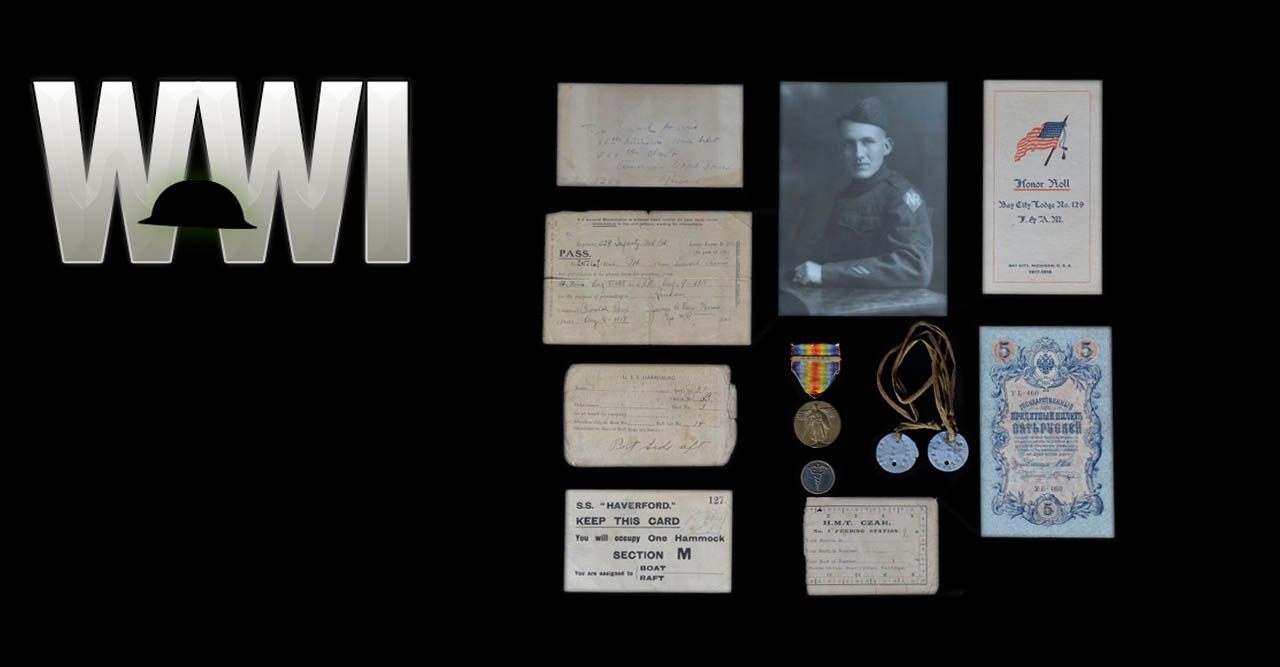
WWI

Browse our bits of history from The Great War.

Read More


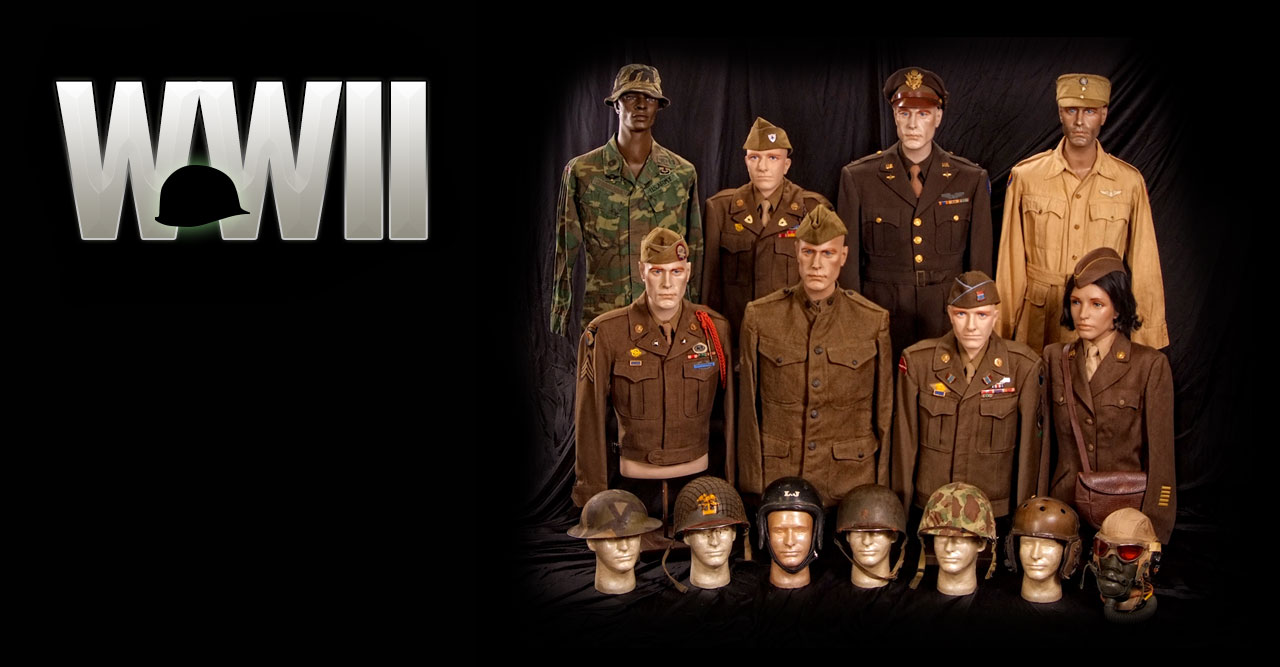
WWII

See our relics from the deadliest conflict in history.

Read More


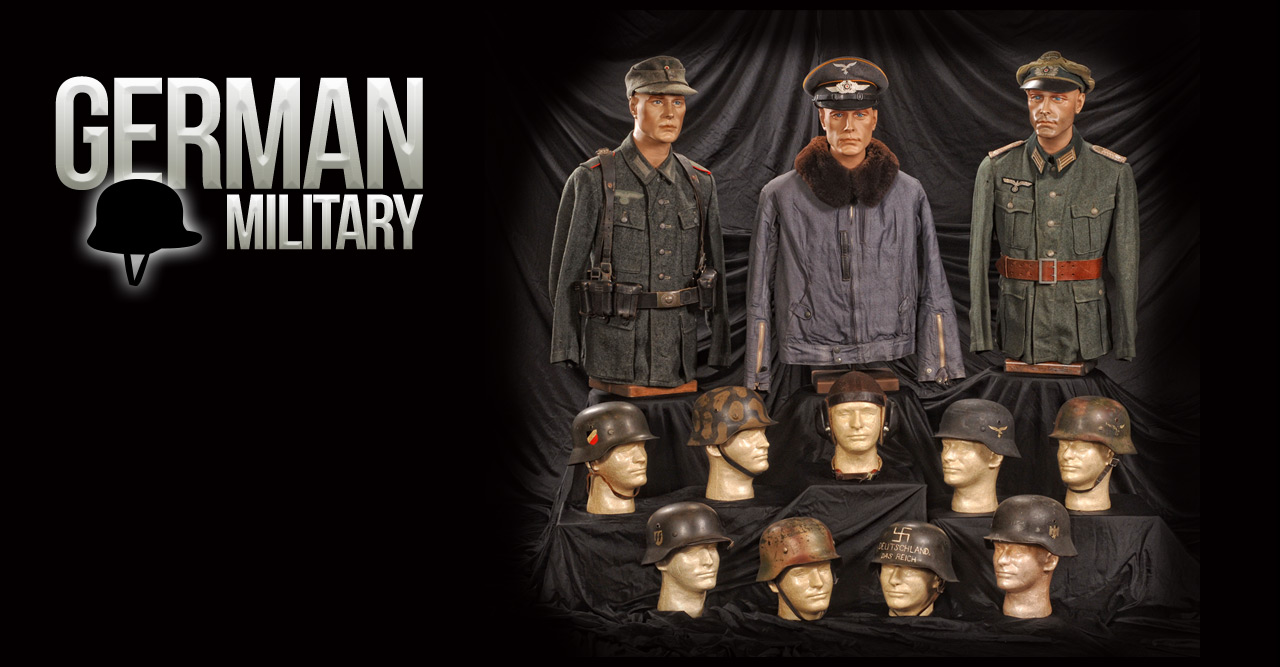
German Military

Learn more about our German military pieces.

Read More


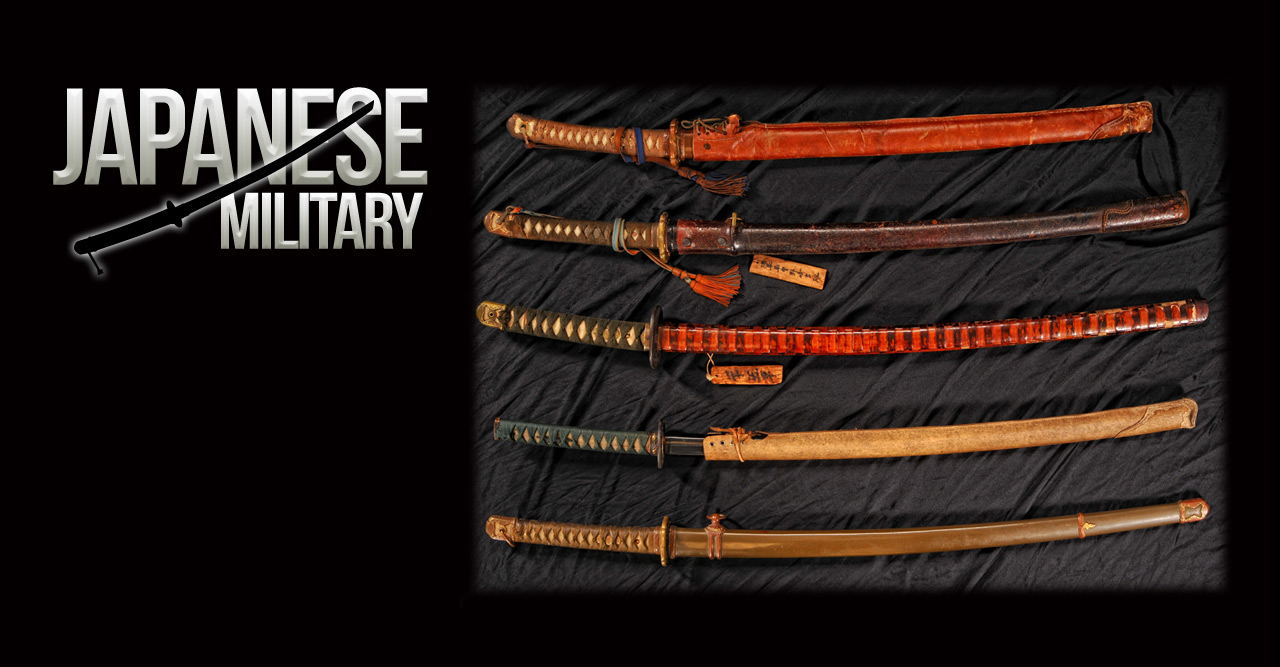
Japanese Military

Have a look at our Japanese military memorabilia.

Read More


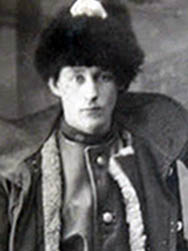
Glenn L. Penabaker of Owosso, Mich., entered military service on Sept. 18, 1917. After basic training at Camp Custer in Battle Creek, Mich., he was later assigned to the 85th Infantry Division. He was later transferred to Company C of the 310th Engineers, which became part of The American North Russian Expeditionary Forces. After completing training in England, he boarded transport to Russia.

Archangel, Russia


Fortunately for Penabaker, his unit was assigned to the city of Archangel, which was the headquarters for the U.S. troops fighting in the North Russian campaign. While there, Penabaker's unit constructed warehouses, billets, fortifications and many other building projects to support the U.S. troops. Company C of the 310th Engineers also operated the Archangel power plant, water works, sawmills and street car system. When railroad maintenance had to be done, Company C was there to get the job done. During his time in Russia, Penabaker served as a cook for U.S. soldiers in the Archangel area. Although he had to also deal with the cold and miserable weather conditions in Russia, he had the good fortune of avoiding direct combat. After his service in Russia, he returned to the Owosso area and lived to the ripe old age of 90.
 

Our Collection


The Michigan Traveling Military Museum is pleased to have and display the Glenn L. Penabaker Company C 310th Engineers of The American North Russian Expeditionary Forces grouping in our collection. We are very fortunate to have such a complete grouping.
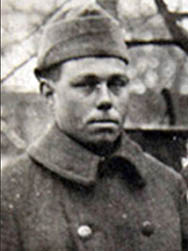

 

Merle R. Sweet of Glennie, Mich., entered military service in 1917 and was assigned to Company C of the 107th Engineer Regiment of the 32nd Infantry Division. After basic training, his unit shipped off to France in the spring of 1917. Once there, the 107th Engineer Regiment’s first task was to construct pre-fabricated barracks to house the American Expeditionary Force.

Building Barricades


According to a newspaper interview of Sweet after the war, he and his fellow engineers had to do all the digging themselves with pick, shovel, axe and wheelbarrow. He said he saw his first action in northeastern France when his unit had to lay down barbed wire barricades in the area of Alsace-Lorraine. This area was a strip of land that juts into Germany and was one of the biggest prizes being contested in the war. Sweet's unit put up the barbed wire entanglements and were told that this was as far as the enemy was going to get. He said that he still could remember driving the stakes into the ground with a maul so they could wrap the wire around them. It was very hard work. 

The Fortunate Ones


Sweet recalled that his unit was one of the fortunate ones that never encountered gas warfare. With deadly mustard gas being sprayed across the trenches into “No Man's Land,” it was imperative for soldiers to wear the bug-eyed gas masks that made them look like aliens. He recalled that he had to have his gas mask with him at all times due to the constant threat of gas warfare.   

Action on the Rhine


During Sweet's time overseas, his unit stayed busy laying additional barbed wire, building defense fortifications, and repairing wrecked bridges, as well as other projects to support the 32nd Division. His unit saw action in a number of battles, and he finally ended up serving guard duty in a number of small towns along the Rhine river after the Armistice that ended World War I was signed. After the war, Sweet returned to the family farm in Alcona County, and later relocated to Bay County. He remained a very patriotic man throughout his life, attending Memorial Day veterans events right into his 90s.

Our Collection


The Michigan Traveling Military Museum is pleased to have and display the Pvt. Merle R. Sweet Company C 107th Engineer Regiment, 32nd Infantry Division grouping. It is a fitting tribute to a proud veteran of World War I.