• History. Delivered.

    History. Delivered.

    The weapons used. The uniforms worn. The letters written. The sacrifices made. Each piece of memorabilia in the Michigan Traveling Military Museum holds a story of the individual who used it. History at your fingertips. And we bring it all to you.
  • History. Delivered.

    History. Delivered.

    The weapons used. The uniforms worn. The letters written. The sacrifices made. Each piece of memorabilia in the Michigan Traveling Military Museum holds a story of the individual who used it. History at your fingertips. And we bring it all to you.
  • History. Delivered.

    History. Delivered.

    The weapons used. The uniforms worn. The letters written. The sacrifices made. Each piece of memorabilia in the Michigan Traveling Military Museum holds a story of the individual who used it. History at your fingertips. And we bring it all to you.
  • History. Delivered.

    History. Delivered.

    The weapons used. The uniforms worn. The letters written. The sacrifices made. Each piece of memorabilia in the Michigan Traveling Military Museum holds a story of the individual who used it. History at your fingertips. And we bring it all to you.
  • History. Delivered.

    History. Delivered.

    The weapons used. The uniforms worn. The letters written. The sacrifices made. Each piece of memorabilia in the Michigan Traveling Military Museum holds a story of the individual who used it. History at your fingertips. And we bring it all to you.
  • 1
  • 2
  • 3
  • 4
  • 5

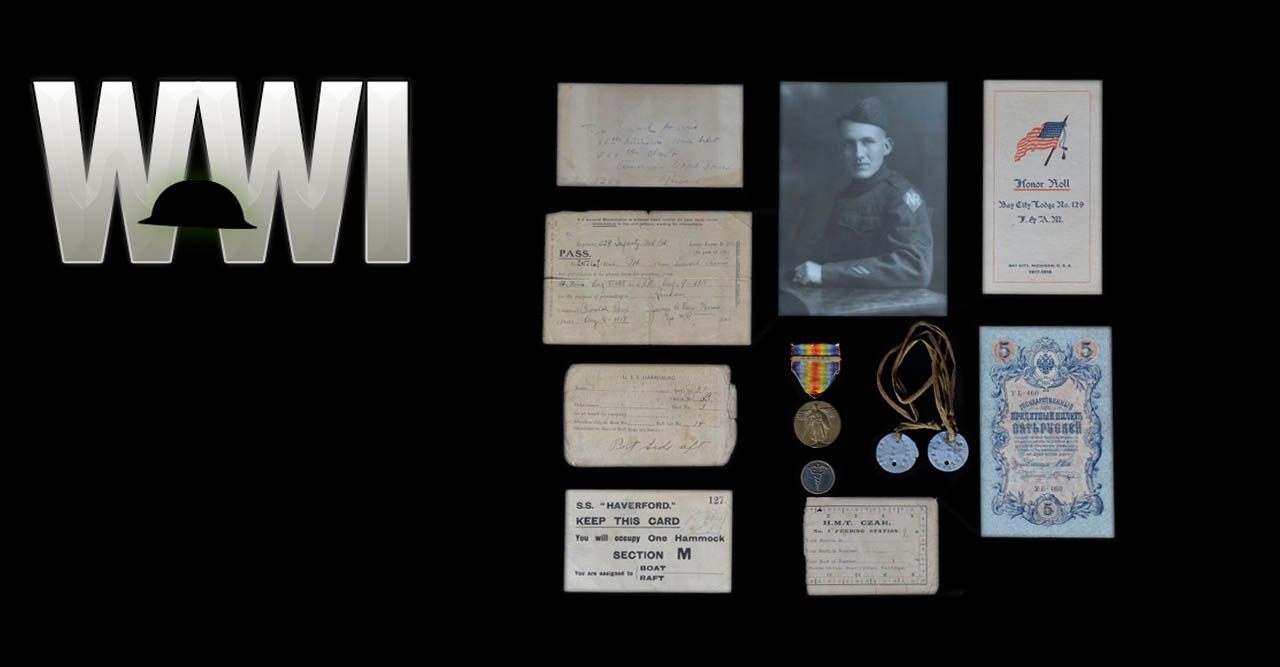
WWI

Browse our bits of history from The Great War.

Read More


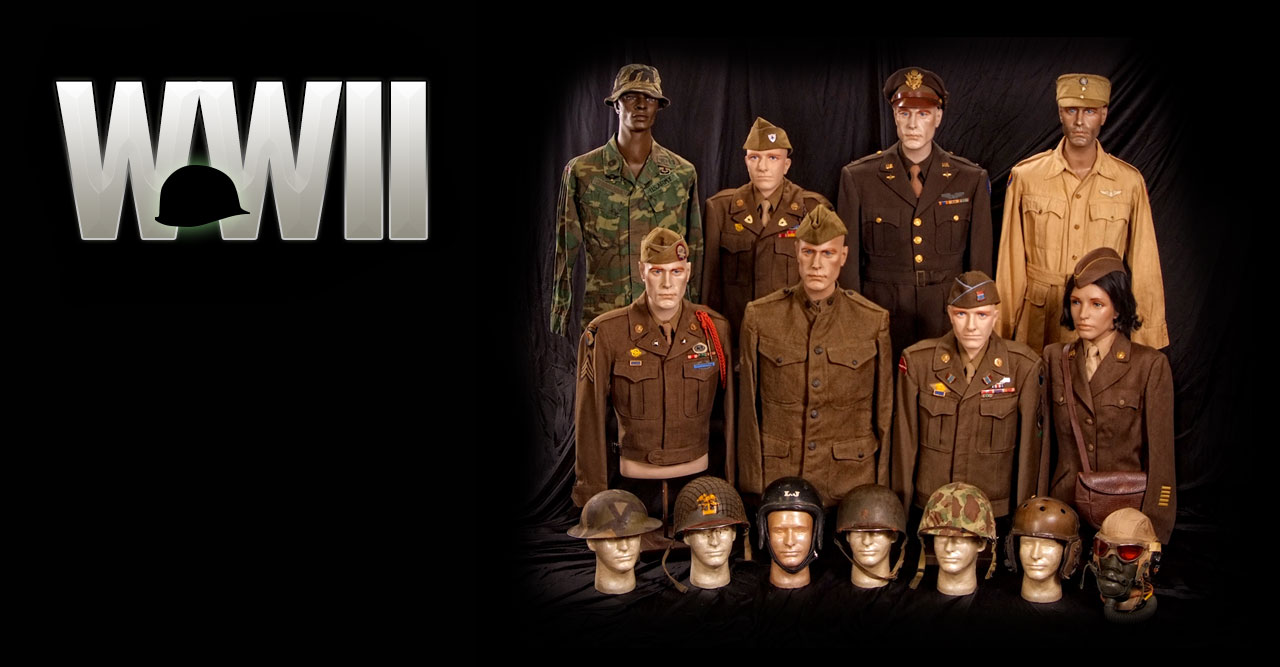
WWII

See our relics from the deadliest conflict in history.

Read More


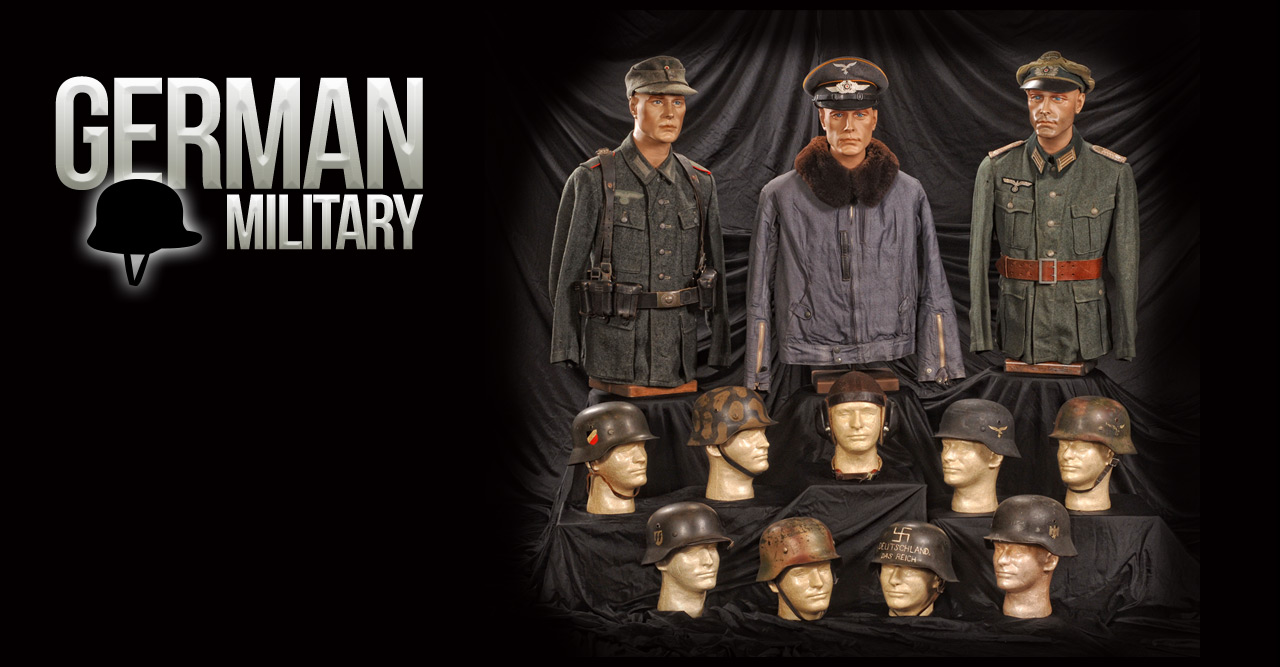
German Military

Learn more about our German military pieces.

Read More


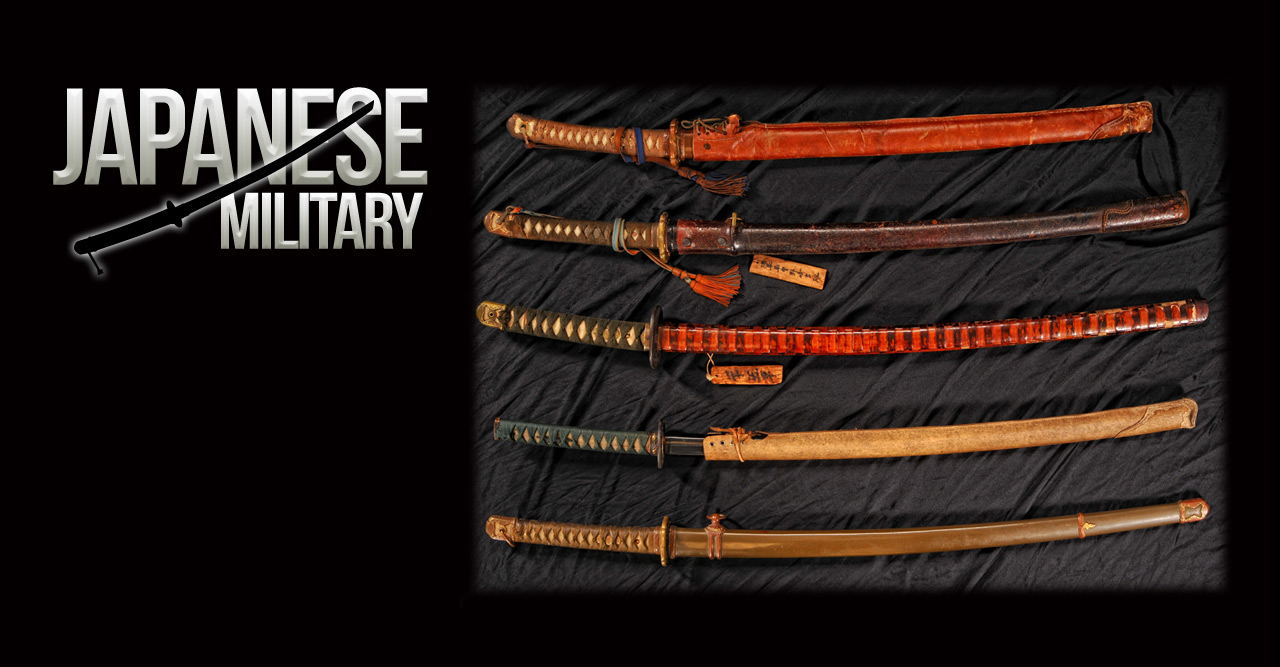
Japanese Military

Have a look at our Japanese military memorabilia.

Read More


Andrew L. Vogel of Bay City, Mich., entered military service on May 6, 1918. He became a member of the newly formed U.S. Tank Corps and was sent to Camp Colt in Gettysburg, Penn., for basic training. Camp Colt was the U.S. Army’s primary tank training center during World War I, and future U.S. President Dwight D. Eisenhower commanded the camp until November 1918.

Camp Colt


While at Camp Colt, Vogel learned about the new concept of armored warfare. He took technical and tactical courses on the operation and use of tanks. He also trained on the Hotchkiss machine gun and the 6-pounder cannon. At this time, the U.S. Tank Corps did not have a single tank in its arsenal, so most soldiers never actually saw a tank until going overseas. His training at Camp Colt was completed Aug. 13, 1918, and he set sail for England. 

Training and Armistice


Vogel arrived in England on Aug. 26, 1918, and then traveled to a British tank training facility. He spent most of September and October training with actual tanks and then crossed the English Channel and entered France. While there, he continued his training as he prepared to enter actual armored warfare. Fortunately, the armistice was signed on Nov. 11, 1918, ending WWI before Vogel had the opportunity to enter actual combat conditions. During the First World War, only about 20,000 officers and men served in the U.S. Tank Corps, making this branch of the U.S. military one of the rarest to produce artifacts.   

Our Collection


The Michigan Traveling Military Museum is pleased to have and display Pfc. Andrew L. Vogel’s original uniform, camouflaged helmet, dog tags and original military paperwork. It is a fitting tribute to a proud veteran of World War I. It is interesting to note that after WWI ended, the U.S. military pretty much ignored tank warfare. Funding for tank research and training was cut to the bone. Our military did not see any real tactical benefit to tanks until seeing the growth and power of Germany’s armored divisions in the late 1930s.   
 

Edward A. Harris of Essexville, Mich., entered military service on May 25, 1918. After basic training at Camp Custer in Battle Creek, Mich., he was assigned to the U.S. 85th Infantry Division. He later was transferred to the 339th Medical detachment and became part of The American North Russian Expeditionary Forces. It is interesting to note that Harris had absolutely no medical training and was told he would just have to learn along the way. From the beginning, Harris kept a detailed diary of his time and experiences in the U.S. Army. Most of the information listed below came directly from his diary and gives a very accurate account of his experiences in Russia.

To England and Russia


Harris arrived in England on Aug. 4, 1918. While there, he completed additional training until Aug. 25 and boarded the HMT Nagoya for the trip to Russia. He arrived in Archangel, Russia, on Sept. 6, 1918. Once on shore, he was sent down the riverfront and engaged in the fighting around the town of Seletskoe in the Dvina river area from Sept. 18-Oct. 2, 1918. From there, he moved down river and fought around the town of Kodish in the Emtsa river area from Oct. 2-23, 1918. After Kodish, he spent a short amount of time in the Russian towns of Emtsa and Beresnik. By then, the weather took a turn for the worst, and he quartered in the towns of Chemova and Shushuga during the winter of 1918-19. Throughout his diary, he relates how miserable the weather was in Russia. You can tell from his tone that he did not view his experience in Russia as pleasurable. 

Russian Travels


On March 11, 1919, Harris moved up to Vistavka and finally to the town of Kitsa on March 19. The weather in this area remained very cold and only started to break when the month of April came. On April 18, Harris' outfit set out for Vistavka and moved to Beresnik on April 21. From there, he moved toward the town of Kholmogori and arrived there April 25. He stayed in the area until May 11, when he boarded a boat for Archangel and arrived there May 12. He stayed there until May 17 and boarded a barge to Economia Point, a camp about 20 miles out of Archangel. On June 3, he boarded a boat named the HMT Czar for the first part of his trip home.   

Heading Home


Harris arrived in Brest, France, on June 11, 1919, and stayed there until June 21, when he boarded the U.S.S. Von Steuben for the last part of his trip home. He happily arrived in New York on June 30 and boarded the train home to Detroit on July 2. He arrived in Detroit on July 3, 1919.


Our Collection


The Michigan Traveling Military Museum is pleased to have the Edward A. Harris Medical Detachment of The American North Russian Expeditionary Forces grouping in our collection. He holds a very personal connection to our museum, as he was the grandfather of MTMM President Charles Ray. The Harris grouping is an interesting time capsule chronicling the service of an Essexville veteran who proudly served his country in one of the most miserable and unforgiving campaigns of World War I.