• History. Delivered.

    History. Delivered.

    The weapons used. The uniforms worn. The letters written. The sacrifices made. Each piece of memorabilia in the Michigan Traveling Military Museum holds a story of the individual who used it. History at your fingertips. And we bring it all to you.
  • History. Delivered.

    History. Delivered.

    The weapons used. The uniforms worn. The letters written. The sacrifices made. Each piece of memorabilia in the Michigan Traveling Military Museum holds a story of the individual who used it. History at your fingertips. And we bring it all to you.
  • History. Delivered.

    History. Delivered.

    The weapons used. The uniforms worn. The letters written. The sacrifices made. Each piece of memorabilia in the Michigan Traveling Military Museum holds a story of the individual who used it. History at your fingertips. And we bring it all to you.
  • History. Delivered.

    History. Delivered.

    The weapons used. The uniforms worn. The letters written. The sacrifices made. Each piece of memorabilia in the Michigan Traveling Military Museum holds a story of the individual who used it. History at your fingertips. And we bring it all to you.
  • History. Delivered.

    History. Delivered.

    The weapons used. The uniforms worn. The letters written. The sacrifices made. Each piece of memorabilia in the Michigan Traveling Military Museum holds a story of the individual who used it. History at your fingertips. And we bring it all to you.
  • 1
  • 2
  • 3
  • 4
  • 5

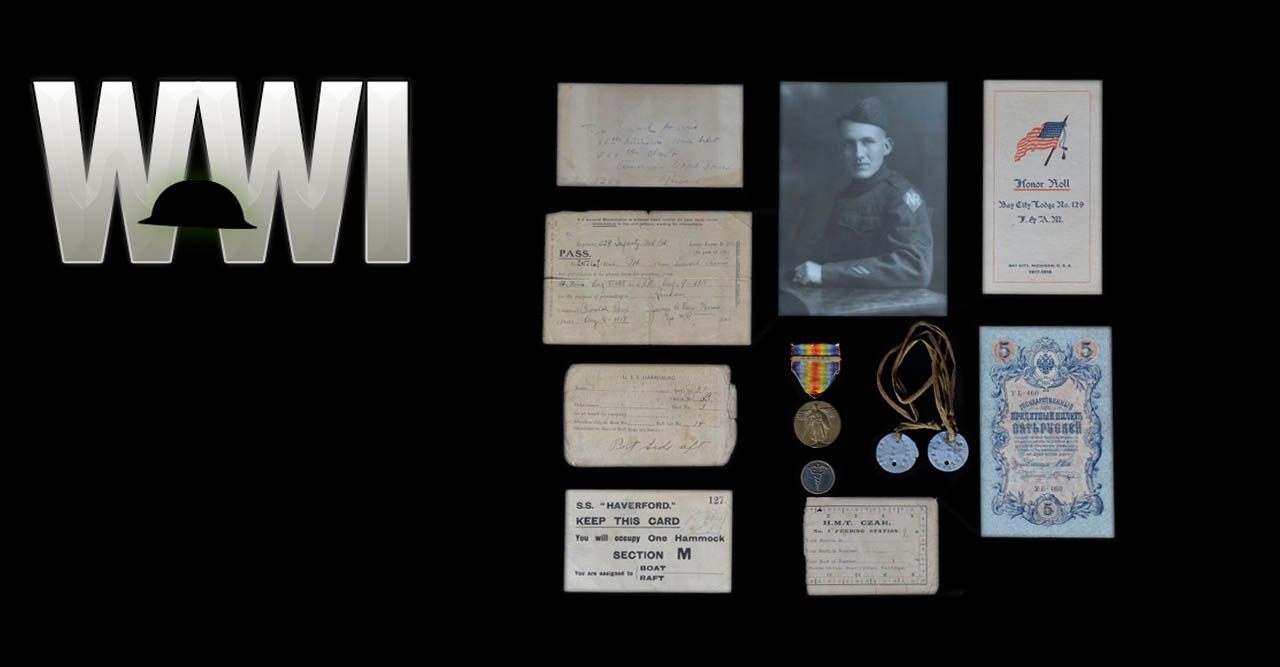
WWI

Browse our bits of history from The Great War.

Read More


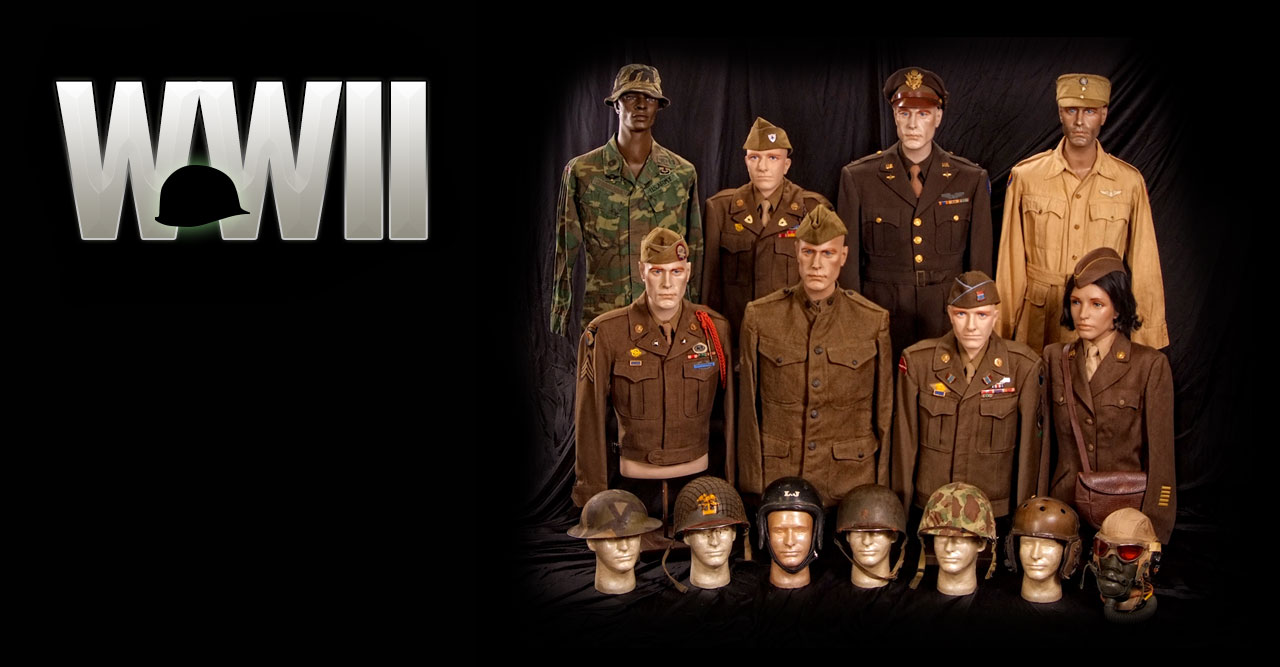
WWII

See our relics from the deadliest conflict in history.

Read More


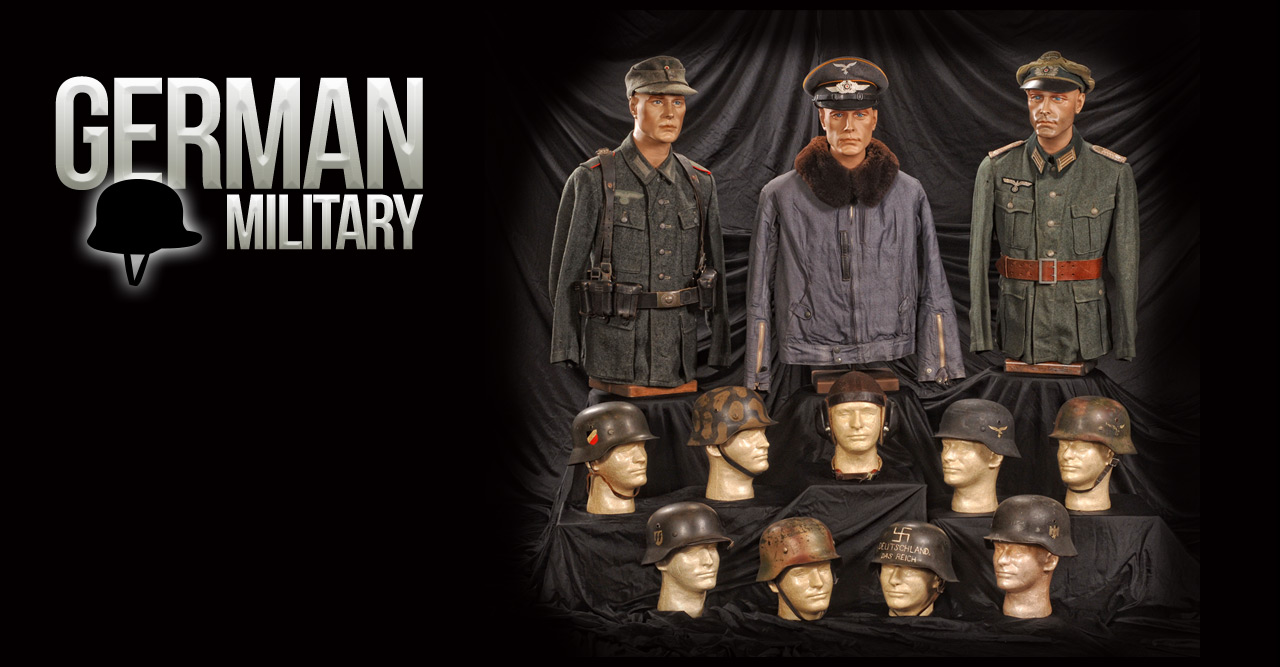
German Military

Learn more about our German military pieces.

Read More


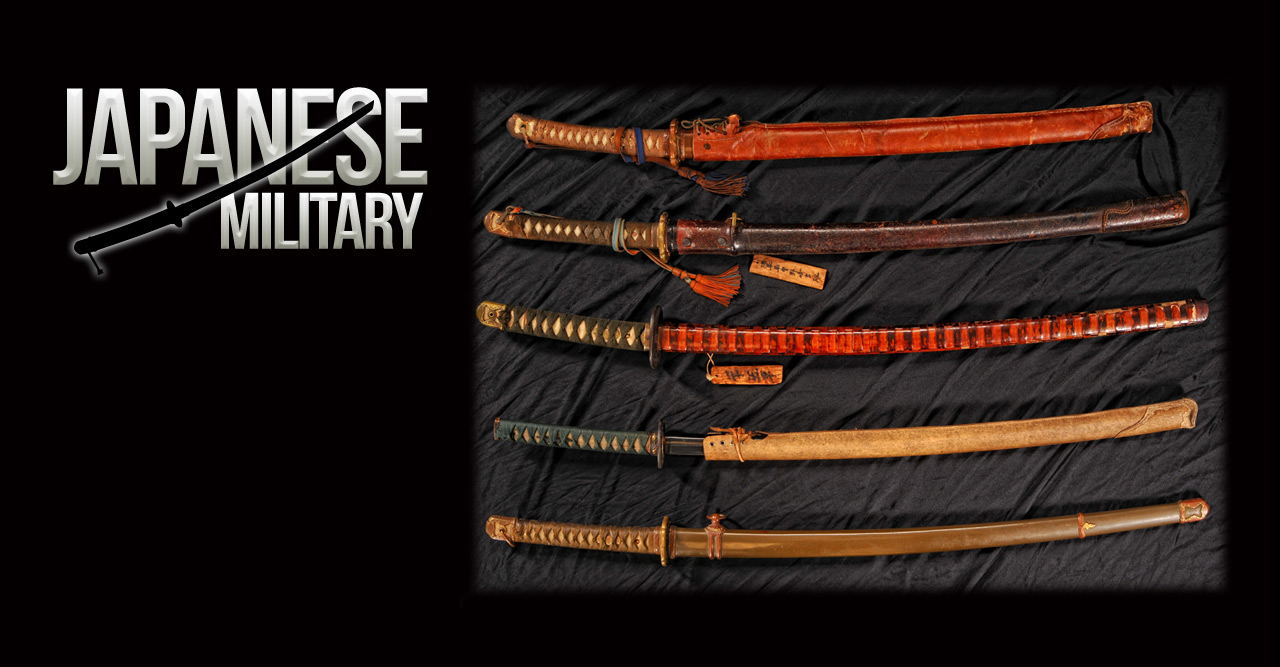
Japanese Military

Have a look at our Japanese military memorabilia.

Read More


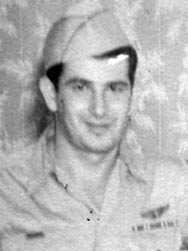
Hymen A. Hitow of Bay City, Mich., entered active duty as a member of the U.S. Army Air Force on Dec. 18, 1941. He later went on to Army Air Corp combat crew training and became an armorer/gunner on a B-17 bomber. He was a member of the 8th Air Force's 351st Bombardment Group based in England.

Prisoner of War


On Jan. 11, 1944, Hitow's B-17 bomber was shot down over Germany, and he became a prisoner of war held at Luftwaffe Stalag 17B. He was held as a prisoner in this brutal POW camp for 15 months, until May 3, 1945, when he was liberated by the allies. Hitow presented an interesting case as a POW in Germany due to the fact he was Jewish. 

Saving His Hand


Michigan Traveling Military Museum Director Mel Smith was fortunate to meet Hitow’s widow, Sylvia, when he purchased Hitow’s relics. During this meeting, she shared some interesting facts that her late husband had shared with her about his time as a POW in Germany. She related that he had been wounded in the hand by shrapnel when his plane was hit and went down. The German doctors who were assigned to give medical treatment to POWs originally wanted to amputate his hand, which Hitow vehemently opposed, so they performed surgery and were able to remove the shrapnel without removing his hand. The German doctors at the time were short of all medicines and had to perform the surgery without proper anesthetic, which led to extreme pain. 

Beatings and Hunger


Throughout his captivity, Hitow was very concerned about his safety because he was a Jew. Sylvia told MTMM that most of the time, he was treated just like every other POW, with the exception of being interrogated by a female Luftwaffe officer who physically beat him. Like most of this camp's prisoners, Hitow constantly battled hunger and had lost a great deal of weight by the time he was liberated.  

Returning Home


After his release as a POW, Hitow returned to Michigan, got married, settled down in Saginaw, and raised a family. He became a member of the Caterpillar Club, which is an informal association of people who have successfully used a parachute to bail out of disabled plane. His time as a POW had a profound effect on him in many ways. Widow Sylvia says that throughout their marriage, he made sure every shelf in his pantry was well-stocked with food. He told her he would never go hungry again as he did as a POW.  

Our Collection


The Michigan Traveling Military Museum is very happy that Sylvia Hitow was kind enough to sell us much of Hymen A. Hitow’s military collection, including his medals, insignia and patches, original POW dog tag, military watch, Caterpillar Club pin and membership card, and paperwork relating to his service and time as a prisoner of war. We are pleased to own and display the Hitow 8th Army Air Force POW grouping in our museum. It is a fitting tribute to a proud 8th Air Force veteran who was able to survive both being shot down and the ordeal of being held as a POW in Germany for 15 long months.  
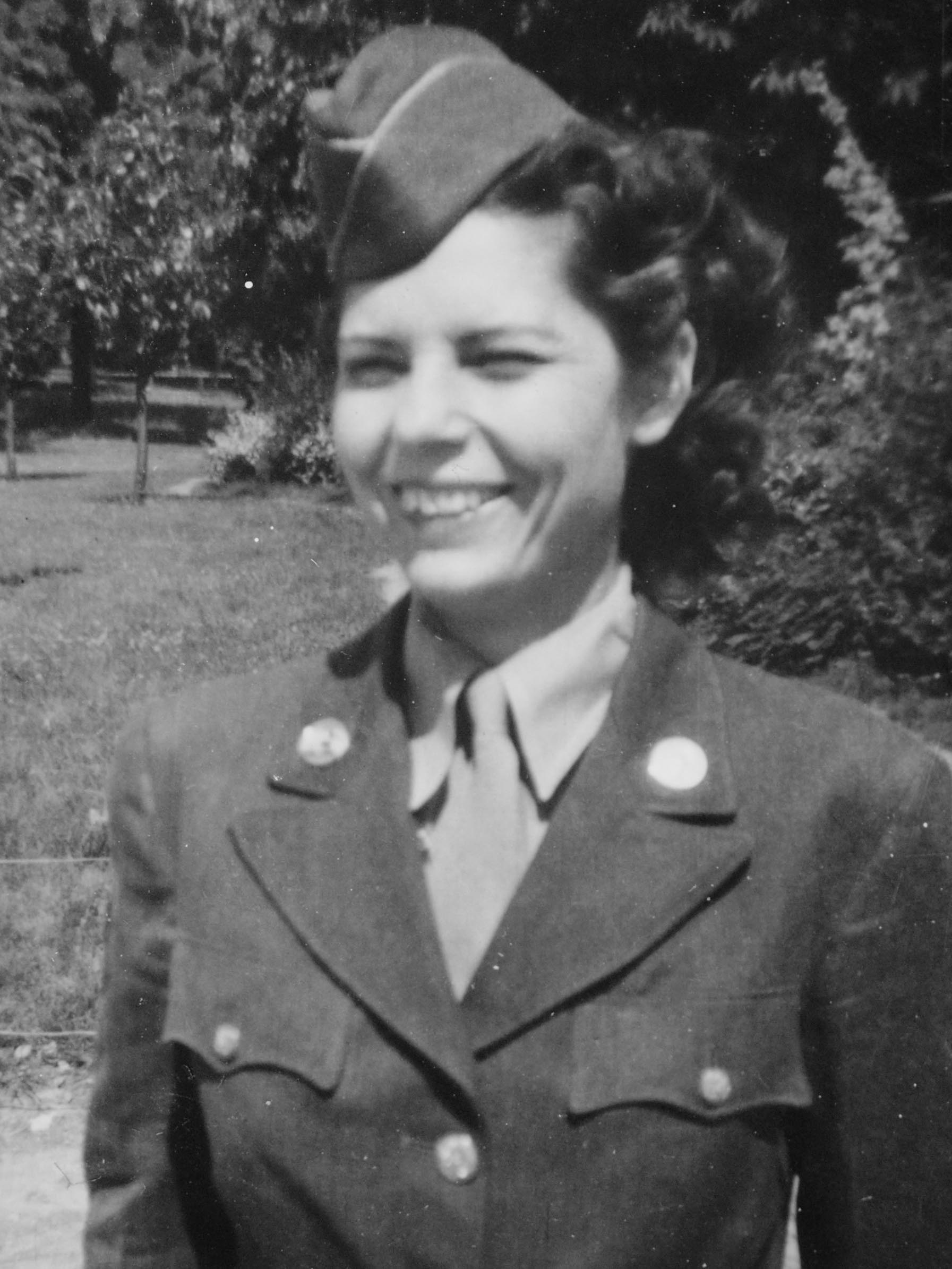
 

Fairgrove, Mich. resident Dorothy F. Bell entered active duty as a member of the Women’s  Army Corps (WAC) on Aug. 4, 1943. She trained for and became a Supply and Mail Clerk and was stationed at Ft. Des Moines in Iowa from June 30, 1943 till Feb. 28, 1944. She was then transferred overseas to Sutton Coldfield, England and served as a clerk in the 1st Base Post office. She later transferred to the 25th Base Post Office in Vitry Sur Seine, France in April 1945 and served there as the acting NCO. She supervised 45 to 50 French civilians in servicing the mail handled in Vitry Sur Seine. This office closed at the end of February 1946 and S/Sgt. Bell was transferred to Paris and became Chief Clerk of the Headquarters post office located in the Western Base Section. She later requested and received an appointment to a position in the 24th Base Post Office In Frankfurt, Germany where she remained till her discharge in 1947. All through her service time, S/Sgt. Bell distinguished herself as an excellent Mail and Supply Clerk, which led to her becoming an effective administrator in her later service time. When people think of World War II in general, they tend to focus on the male participants of the war without considering the excellent service record of the Women’s Army Corps. These great ladies performed their duties with great skill and enthusiasm and were considered to be a great asset to the U.S. Army by both Gen. Dwight Eisenhower and Gen. Douglas MacArthur.

Our museum is proud to have and display the S/Sgt. Dorothy F. Bell military collection. This fine historical set includes her uniforms, insignia, medals, patches and paperwork. It is a fitting tribute to all the ladies who served their country with distinction during World War II.