- Details
- Created: Thursday, 25 July 2013 13:25
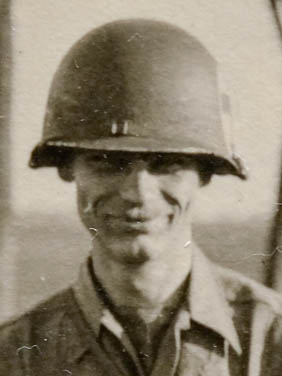
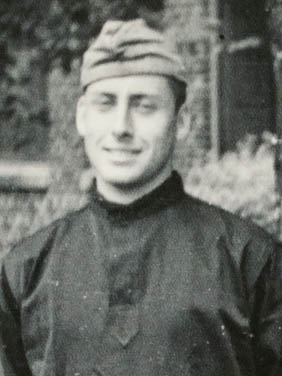
Lincoln Park resident Paul D. Kolaz entered active military service on March 27, 1941. After his basic training he served time in the United States until he was transferred overseas in October of 1944. He was assigned to the 473rd Medical Collecting Company as an administrative NCO in a medical company of 100 men. He supervised these men and was responsible for preparation of reports related to his unit.
These medical collecting companies are not well known of but performed a very important part in the US military medical system during World War Two. They were responsible for the collection of all casualties from the aid stations of the various divisions. They were responsible for administering the treatment necessary to return minor casualties to their units and to prepare the more seriously injured casualties for further evacuation to the rear areas. Their actions took the pressure off division aid stations and ensured a smoother process for handling wounded soldiers.
On December 30, 1944 during the Battle of the Bulge time frame S/Sgt. Kolaz received a letter of commendation from the captain of a ship he and members of his unit had been on. A serious accident had occurred on the ship and he was commended for his cool judgement and splendid leadership in removing his men from the ship quickly in order to avoid having them become additional casualties.
While serving in Germany he experienced the horror of the Nazi regime first hand when he visited the Dachau concentration camp shortly after it was liberated by American forces. The experience affected him greatly and he shared his feelings in a letter sent to his wife dated May 6, 1945
Yesterday I took a long ride with Lt. Izbicky over to Dachau to see the concentration camp that is so notorious for its brutality.
Honey, I didn’t see how these people could be as cruel as the papers said, but after spending a couple hours in that camp, I believe every bit of it.
The G.I.s have not had time to clean it up yet, and everything is just as the Germans left it, with bodies laying in piles, the gas chamber, and the places for burning the bodies and other tortures. It is something that I’ll never forget, and something I can’t describe, but that it is horrible. I just can’t believe that human beings could be so barbarous. Naturally, most of the bodies were Jews and political prisoners, but they tell us that an average of two thousand a week were disposed of there at that camp.
Nice thing isn’t it? Now I know what we were fighting for, and I’d like to see the whole German race exterminated. I took three rolls of pictures of the mess but I don’t think I’ll ever show most of them to anyone after I get home. It’s just something to help me remember the little trip.
S/Sgt. Kolaz served in the Ardennes, Rhineland, and Central Europe battle areas and was fortunate to return safely home to his family in the United States. Our museum would like to thank his family for entrusting us with both his US and captured German memorabilia collections. It is a fitting tribute to a good soldier who performed his duties with utmost efficiency. It is also a tribute to the victims of the Nazi Holocaust and S/Sgt. Kolaz’s personal pictures of the Dachau concentration camp should provide hard proof to any person in this world who denies the holocaust ever happened. S/Sgt Kolaz was there and could bear actual witness to the horrors of the Nazi Regime. His pictures and written notes are a testament to what he experienced at that time.
These medical collecting companies are not well known of but performed a very important part in the US military medical system during World War Two. They were responsible for the collection of all casualties from the aid stations of the various divisions. They were responsible for administering the treatment necessary to return minor casualties to their units and to prepare the more seriously injured casualties for further evacuation to the rear areas. Their actions took the pressure off division aid stations and ensured a smoother process for handling wounded soldiers.
On December 30, 1944 during the Battle of the Bulge time frame S/Sgt. Kolaz received a letter of commendation from the captain of a ship he and members of his unit had been on. A serious accident had occurred on the ship and he was commended for his cool judgement and splendid leadership in removing his men from the ship quickly in order to avoid having them become additional casualties.
While serving in Germany he experienced the horror of the Nazi regime first hand when he visited the Dachau concentration camp shortly after it was liberated by American forces. The experience affected him greatly and he shared his feelings in a letter sent to his wife dated May 6, 1945
Letter to his wife
Yesterday I took a long ride with Lt. Izbicky over to Dachau to see the concentration camp that is so notorious for its brutality.
Honey, I didn’t see how these people could be as cruel as the papers said, but after spending a couple hours in that camp, I believe every bit of it.
The G.I.s have not had time to clean it up yet, and everything is just as the Germans left it, with bodies laying in piles, the gas chamber, and the places for burning the bodies and other tortures. It is something that I’ll never forget, and something I can’t describe, but that it is horrible. I just can’t believe that human beings could be so barbarous. Naturally, most of the bodies were Jews and political prisoners, but they tell us that an average of two thousand a week were disposed of there at that camp.
Nice thing isn’t it? Now I know what we were fighting for, and I’d like to see the whole German race exterminated. I took three rolls of pictures of the mess but I don’t think I’ll ever show most of them to anyone after I get home. It’s just something to help me remember the little trip.
Thank You
S/Sgt. Kolaz served in the Ardennes, Rhineland, and Central Europe battle areas and was fortunate to return safely home to his family in the United States. Our museum would like to thank his family for entrusting us with both his US and captured German memorabilia collections. It is a fitting tribute to a good soldier who performed his duties with utmost efficiency. It is also a tribute to the victims of the Nazi Holocaust and S/Sgt. Kolaz’s personal pictures of the Dachau concentration camp should provide hard proof to any person in this world who denies the holocaust ever happened. S/Sgt Kolaz was there and could bear actual witness to the horrors of the Nazi Regime. His pictures and written notes are a testament to what he experienced at that time.