- Details
- Created: Thursday, 25 July 2013 13:25
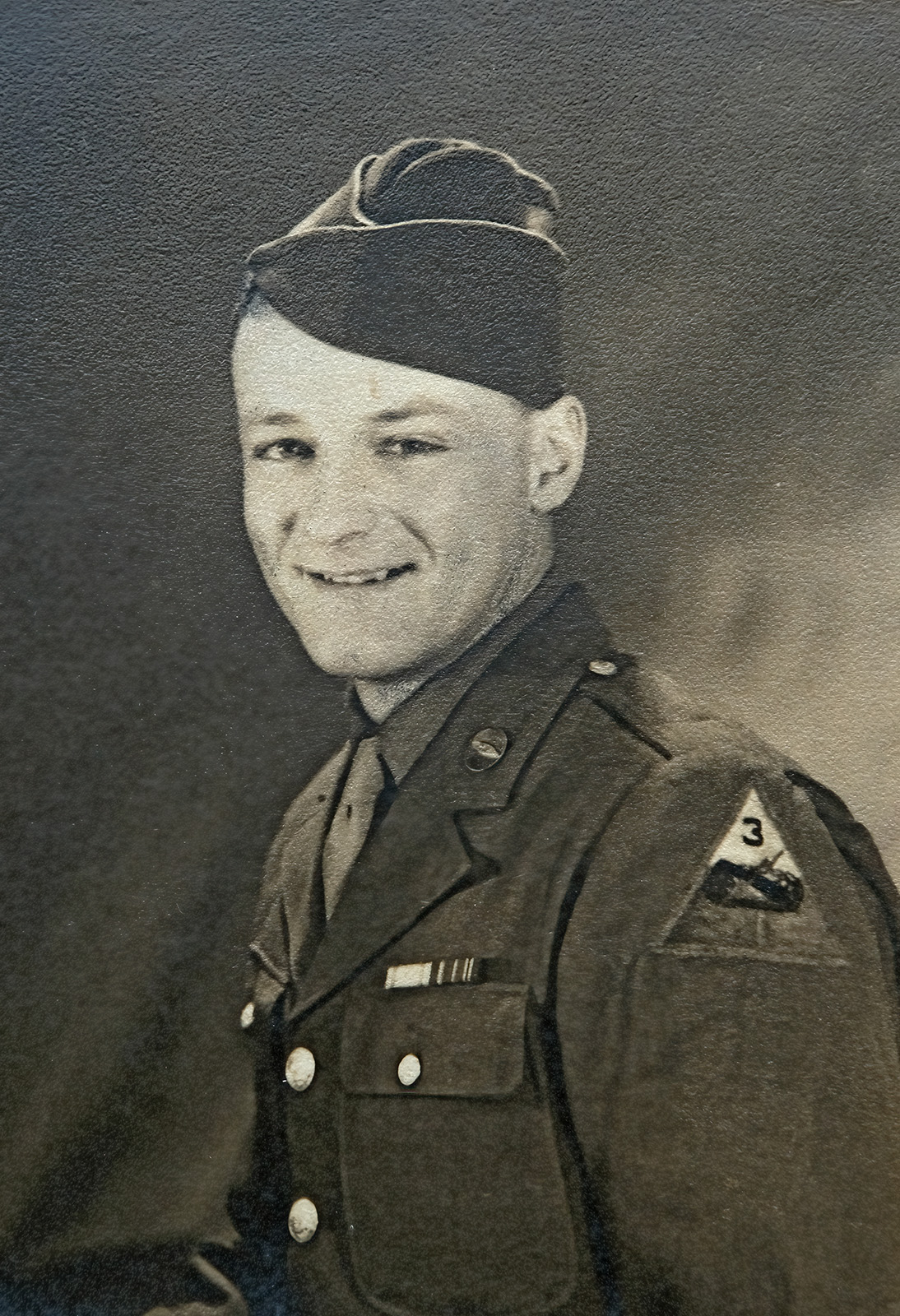
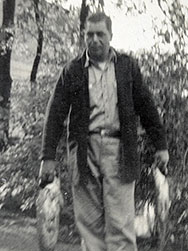
He joined the European campaign as a member of Company I of the 32nd Armored Regiment. He was involved in many intense combat operations. He commanded a Sherman tank thru the battles in Normandy, Northern France, Ardennes, Rhineland, and Central Europe. He had a number of his tanks damaged or destroyed from underneath him. He was wounded in Belgium on 1-3-1945 and in Germany on 4-14-1945.
Being a tank commander or crewman in Europe during WW2 was one of the most dangerous occupations in the army. Although the German tank forces were outnumbered, they had far superior cannons and armored protection than the US tanks did. Going up against a German Tiger or Panther tank took a very skilled and courageous type of individual and Sgt. Towns was that kind of man.
On November 25th 1944 in Weismuller Germany, Sgt Town’s company was involved in an intense battle. After 3 of his company’s tanks were destroyed by German anti-tank guns, Sgt. Towns saw thru his binoculars a feeble wave of a hand from a wounded soldier on the ground next to their damaged Sherman tank. Sgt Towns crawled thru a draw filled with rushing icy water to try to rescue the wounded soldier. As he crawled toward the wounded man the Germans were bombarding the area with artillery and mortar fire. When he finally reached the wounded soldier he discovered the man’s legs were shattered. Sgt. Towns wrapped a 30 caliber machine gun ammunition belt around the wounded man’s waist and slowly dragged him to safety while under constant enemy fire. For his actions that day Sgt. Towns was awarded the Silver Star medal for valor.
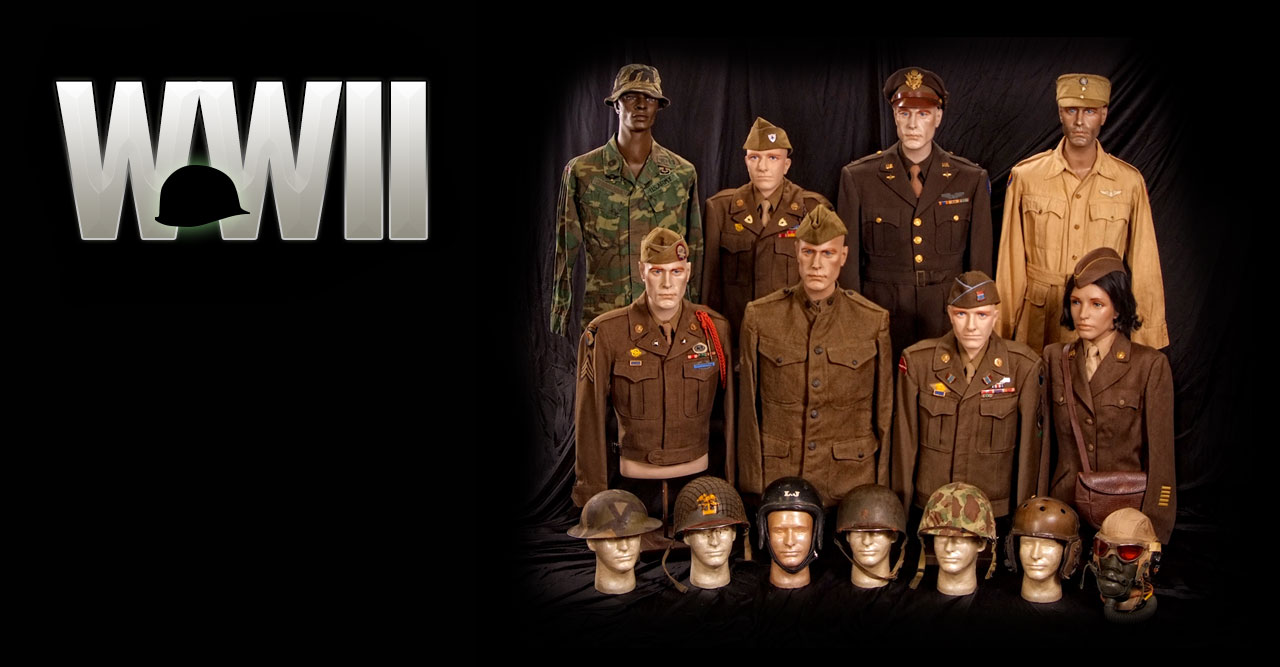
The Michigan Traveling Military Museum is pleased to display the Sgt. Lewis Towns military collection. It is a fitting tribute to a brave and resourceful soldier who was involved in some of the most intense battles the US Armored Corps faced during WW2.
A Dangerous Job
Being a tank commander or crewman in Europe during WW2 was one of the most dangerous occupations in the army. Although the German tank forces were outnumbered, they had far superior cannons and armored protection than the US tanks did. Going up against a German Tiger or Panther tank took a very skilled and courageous type of individual and Sgt. Towns was that kind of man.
Saving a Comrade
On November 25th 1944 in Weismuller Germany, Sgt Town’s company was involved in an intense battle. After 3 of his company’s tanks were destroyed by German anti-tank guns, Sgt. Towns saw thru his binoculars a feeble wave of a hand from a wounded soldier on the ground next to their damaged Sherman tank. Sgt Towns crawled thru a draw filled with rushing icy water to try to rescue the wounded soldier. As he crawled toward the wounded man the Germans were bombarding the area with artillery and mortar fire. When he finally reached the wounded soldier he discovered the man’s legs were shattered. Sgt. Towns wrapped a 30 caliber machine gun ammunition belt around the wounded man’s waist and slowly dragged him to safety while under constant enemy fire. For his actions that day Sgt. Towns was awarded the Silver Star medal for valor.
Thank You
The Michigan Traveling Military Museum is pleased to display the Sgt. Lewis Towns military collection. It is a fitting tribute to a brave and resourceful soldier who was involved in some of the most intense battles the US Armored Corps faced during WW2.